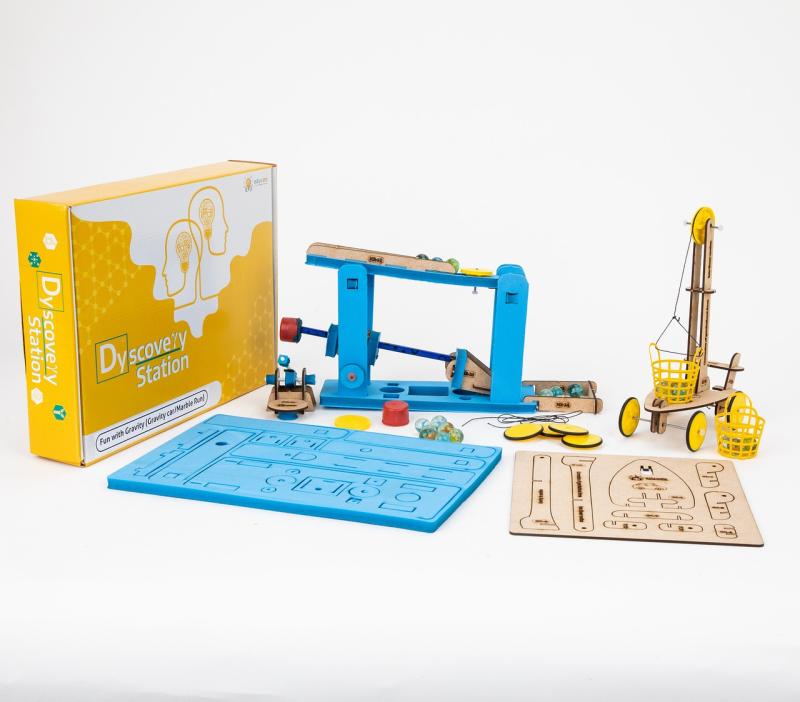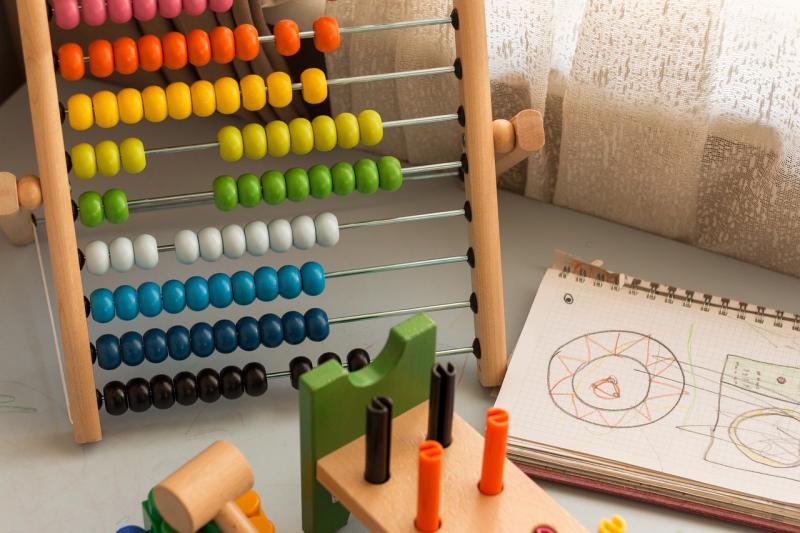
When it comes to learning, toys can be a game-changer! Kids love to play, and the good news is that many toys are designed to spark curiosity while teaching important skills. From building blocks to interactive games, there’s something out there to make learning feel like an adventure.
Here are some toys that bring a fun twist to learning:
These toys not only entertain but also help kids learn crucial skills like teamwork, patience, and perseverance. So the next time you’re shopping for a gift or looking to add to your child’s playtime, keep an eye out for toys that double as learning opportunities! It’s all about making the most of playtime.
How Playtime Improves Skill Development
Playtime isn’t just fun; it’s a crucial part of how kids learn and grow. When children engage with toys, they’re not just playing—they’re exploring the world around them. Each game and activity encourages them to use their imagination and creativity, which are key components in developing problem-solving skills.
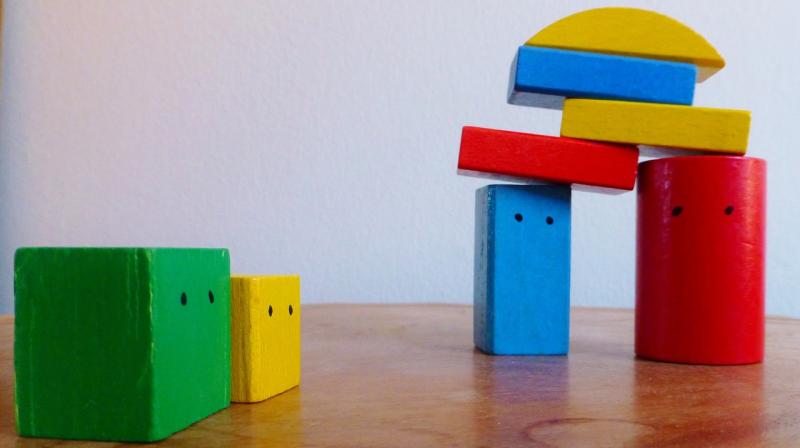
For example, building blocks help with spatial awareness and fine motor skills. As kids stack and balance pieces, they learn about cause and effect, and that's a valuable lesson! Role-playing toys, like kitchen sets or toolkits, can boost language skills and social skills. Kids learn to communicate, negotiate, and collaborate with others during their pretend play.
Playtime also offers a safe space for children to experiment and take risks. Whether it’s trying to fit a toy shape into the right hole or figuring out how to make a race car go faster, they face challenges that build resilience. Each little success adds to their confidence, encouraging them to tackle new challenges in and outside of playtime.
Let’s not forget about emotional development. When kids play, they learn to express themselves and understand their feelings. Toys that encourage role play can help them sort through emotions in a fun way. This kind of learning is just as important as academic skills, setting them up for better relationships and self-awareness as they grow.
Choosing the Right Educational Toys
When it comes to picking educational toys for your little ones, it’s all about matching the right toy with their age, interests, and developmental stage. Think about what skills you want to encourage—whether it's problem-solving, creativity, or motor skills. Choosing something that sparks their imagination can make learning feel like a fun adventure!
Here are some things to consider when shopping for educational toys:
Also, don’t forget to think about your child’s interests. If they’re fascinated by space, you might look for educational toys that incorporate astronomy themes. This makes learning even more exciting and personal for them!
Engaging Activities for Active Minds
When it comes to playtime, keeping those little brains engaged is key! There are tons of fun activities that not only keep kids entertained but also boost their learning. Let’s dive into some engaging activities that unleash the power of play!
Building Blocks: Stacking and building with blocks can spark creativity and improve motor skills. Encourage your little one to construct different shapes, towers, or even a replica of their favorite structure. It’s a great way for them to explore concepts like balance and gravity while having a blast!
Art Exploration: Grab some crayons, paints, or playdough and let their imagination run wild! Art activities enhance fine motor skills and allow children to express themselves. You can even introduce themes, like drawing their favorite animals or creating scenes from a storybook. The possibilities are endless!
Outdoor Adventures: Fresh air does wonders for the mind. Plan a scavenger hunt in your backyard or a local park. Give them a list of items to find—like a specific leaf, a smooth rock, or a flower—and watch their excitement as they explore nature. This activity promotes observation skills and a sense of adventure!
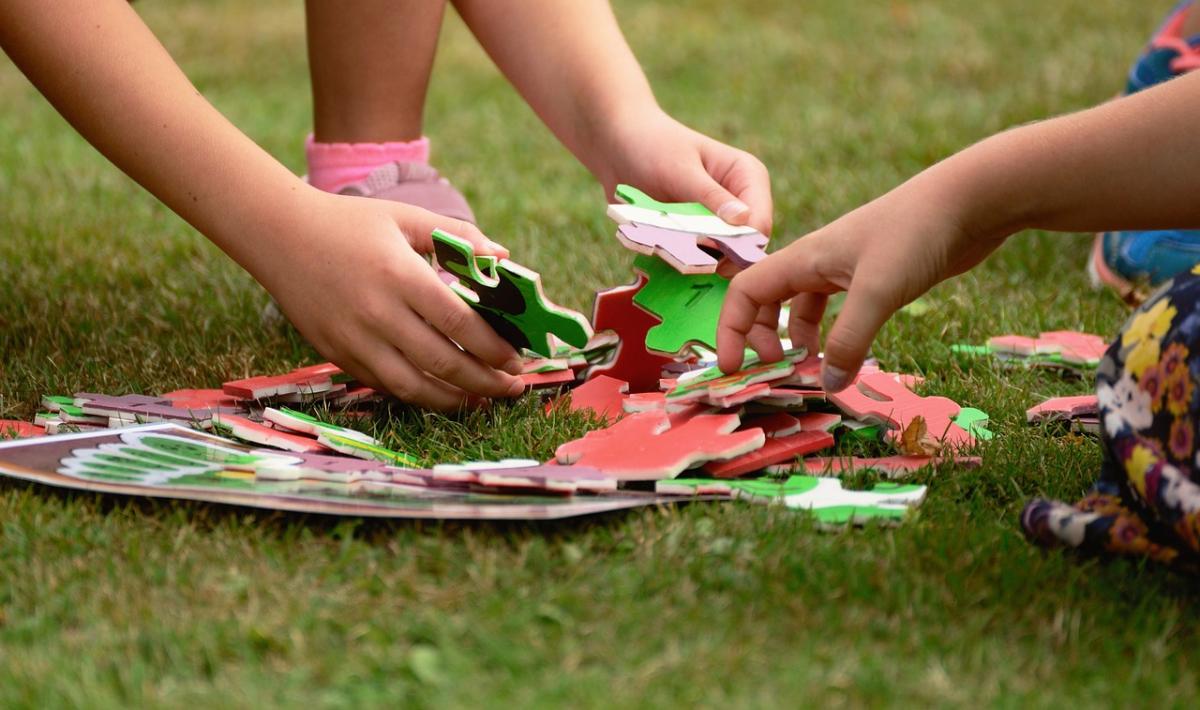
Puzzle Time: Puzzles are more than just fun; they help develop critical thinking and problem-solving skills. Choose age-appropriate puzzles that challenge your child without causing frustration. Working together to complete a puzzle can also promote teamwork and patience. Plus, the smile on their face when they fit that last piece? Priceless!